initial correction*
Initial correction rate in cases treated with our protocol.
Every foot and family need an individual assessment. We help you understand the situation and find a clear next step.
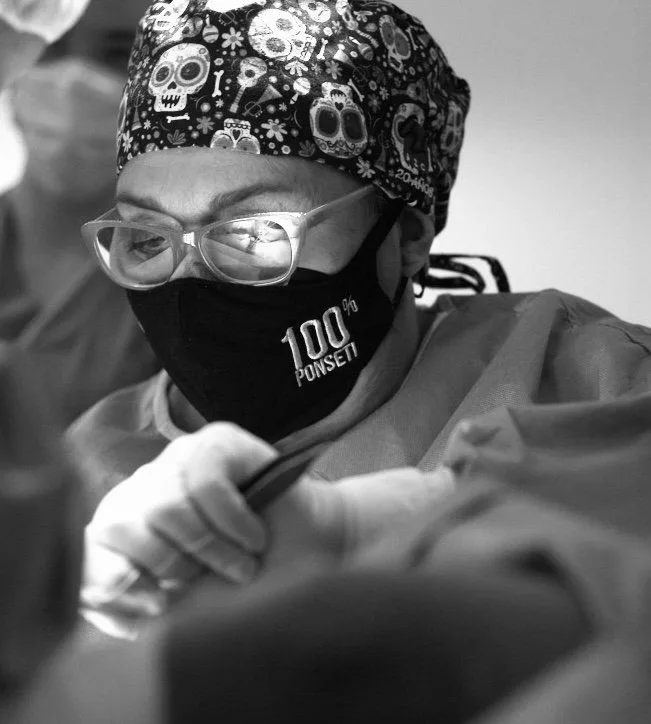
We treat clubfoot.
Initial correction rate in cases treated with our protocol.
An indicative average that varies with age, foot type and progress.
Together with casting, this completes correction when indicated.
*Clinical experience data. Every case needs individual assessment and personalised follow-up.
Specialist care at every stage, from the first assessment to follow-up.
Talipes equinovarus is a common congenital musculoskeletal condition. It is estimated to affect between 1 and 6.8 per 1,000 births; in Europe, around 1–2 per 1,000 live births. Individual assessment guides the appropriate treatment and follow-up for each case.
more information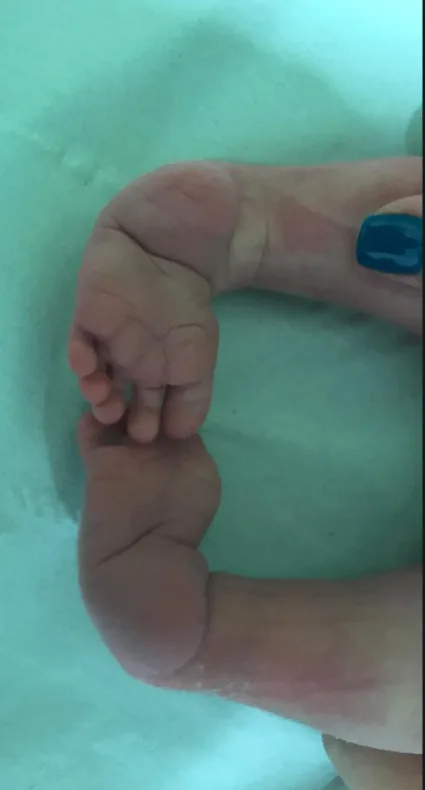
The forefoot turns inward and may form a C-shaped curve. We assess its flexibility and progress to choose appropriate follow-up.
The foot stays raised and the heel turns outward. Examination checks flexibility and distinguishes it from other newborn foot positions.
The talus is oriented vertically, altering the arch and weight-bearing. This uncommon condition needs specialist assessment from the outset.
An abnormal connection between tarsal bones can reduce foot movement. It may become apparent during growth through stiffness, fatigue or pain.
The hip, knee and ankle alignment differs from the expected axis: knees may approach or separate. We monitor development to distinguish growth variations from cases needing follow-up.
The inner arch flattens with weight-bearing but often reappears on tiptoe. We assess movement, support and symptoms, not only foot shape.
The hindfoot tilts outward and may affect ankle support. We assess whether it is flexible, compensated or needs closer examination.
A pronounced arch concentrates load on the heel and forefoot. We assess flexibility, balance and possible causes to guide care.
Habitual toe walking reduces heel support. We assess onset, ankle movement and its effect on walking.
Feet point inward when walking. To understand why, we examine the whole leg: hip, knee, tibia and foot.
Previous surgery does not rule out other options. We review the complete case, movement, alignment and previous care. An adapted Ponseti protocol may help restore correction and function in some cases, avoiding further open surgery where possible. Percutaneous tenotomy can be part of the method when indicated.